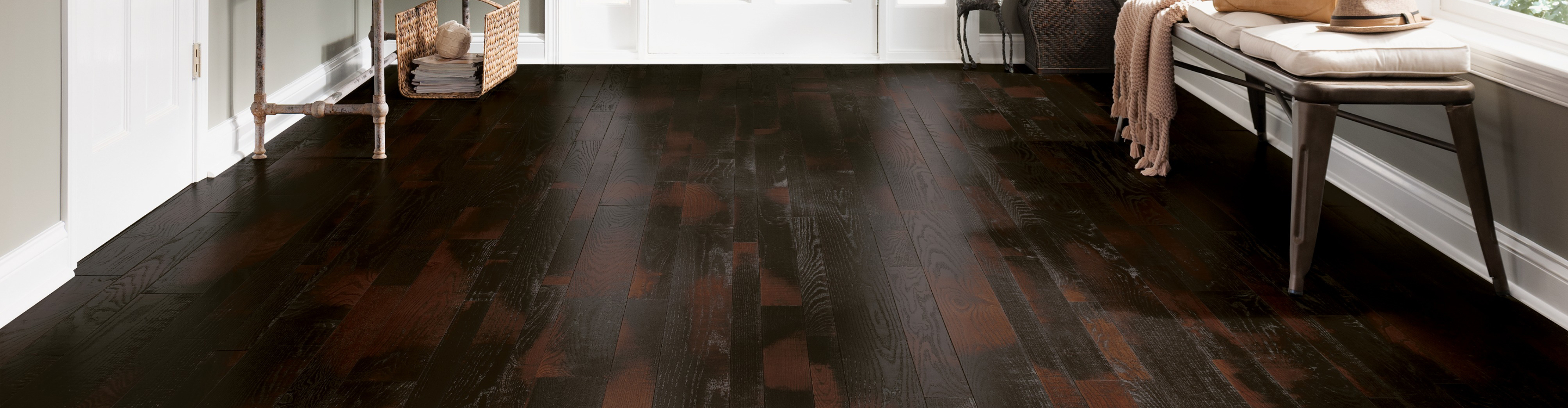
Hardwood floors are one of the most rewarding surfaces to maintain, but they require a specific approach that protects the finish and prevents long-term damage. Whether you’re tackling a full deep clean or keeping up with weekly maintenance, the right tools and methods make all the difference. This guide covers how to deep clean hardwood flooring, the best tools to use, and the products and habits to avoid to keep your floors looking their best for years to come.
Hardwood floors clean up easily with the right tools, but the wrong products can cause warping, dull finishes, or voided warranties. Before you start, check your manufacturer’s care guidelines for recommended cleaning products specific to your floor.
Always reference your manufacturer’s warranty and care instructions before choosing any cleaning product. Using the wrong cleaner can void coverage and cause irreversible damage.
To keep your hardwood floors looking and feeling their best, we recommend deep cleaning at least once a month. By following the above steps, you’ll be extending the life of your floor and enjoying new-looking hardwood for years to come. Be sure to start with less cleaning solution and add more as needed to avoid longer drying times, which can be potentially damaging.
Deep cleaning removes the ground-in dirt and residue that regular sweeping misses. Aim to deep clean your hardwood floors once a month to protect the finish over time. If deep cleaning is skipped for too long, buildup can dull the surface, trap grit that scratches the wood, and make future cleaning harder.
Start by moving any furniture or area rugs, then vacuum or sweep the entire surface. Use a soft-bristle brush attachment or a vacuum with a hard floor setting to lift debris from seams and textured grain. Avoid vacuums with beater bars, which can scratch the finish. High-traffic areas like entryways, hallways, and stairs collect more debris, so take extra care in these zones before moving on.
Check with your manufacturer to identify which cleaning solutions are approved for your specific floor. Using an unapproved product can damage the finish or void your warranty. A pH-neutral cleaner specifically formulated for hardwood is the safest choice for most floors. If you’re unsure what your floor requires, our local flooring experts can point you toward products compatible with your floor type.
Follow the manufacturer’s instructions for diluting your cleaning solution. Too much product leaves residue that attracts dirt and can cloud the finish. Before applying across the full floor, test your diluted solution in a low-visibility area such as a closet or behind a door. If there’s no discoloration or damage after drying, proceed to the rest of the floor.
Apply your cleaning solution with a thoroughly wrung-out microfiber mop. The mop head should be barely damp, not wet. Work in the direction of the wood grain, and rinse or replace the mop pad if it picks up visible dirt to avoid spreading debris. Never allow standing water on hardwood. Wipe up any excess moisture immediately, as prolonged exposure can cause warping and damage the subfloor.
Choosing the right tools is just as important as choosing the right cleaner. The tools below are gentle enough to protect your hardwood finish while still being effective for daily upkeep and deeper cleaning. Always confirm that any tool you use is appropriate for your specific floor type and finish per your manufacturer’s guidelines.
A soft-bristle broom is one of the safest daily tools for hardwood. Sweep in the direction of the grain to push debris toward a dustpan rather than scattering it. Use this as your primary quick-clean tool between vacuuming sessions.
A vacuum with a hard floor setting is effective for lifting debris from seams and character knots that a broom might miss. Make sure to use the hard floor attachment rather than a beater bar or rotating brush head, which can leave micro-scratches on the finish. We recommend sweeping or vacuuming at least twice a week to prevent grit from grinding into the surface underfoot.
A microfiber mop is the preferred tool for deeper cleaning because the fibers trap fine dust and allergens from crevices without scratching. Use it damp, never soaking, and with a cleaner approved by your floor’s manufacturer. Microfiber pads are machine-washable, which makes them easy to keep clean between uses.
Using the wrong tools or cleaning products is one of the most common causes of finish damage, warping, and voided warranties. Always check your manufacturer’s care guidelines before introducing any new product or tool. The following should be avoided on most hardwood floors:
Bottom line: If a product isn’t specifically approved by the manufacturer for your hardwood floor, don’t use it. When in doubt, contact us for guidance on your specific type of hardwood flooring.
One of the simplest and most effective habits you can adopt is removing shoes at the door. Outdoor shoes track in grit, dirt, and small stones that act like sandpaper underfoot, gradually scratching and dulling the finish. A shoe rack and a durable welcome mat at entryways help reinforce the habit and keep debris from spreading onto your floors.
Felt pads or furniture protectors under table legs, chair legs, and heavy pieces prevent scratches when items are moved or shifted. Check and replace pads periodically, as they can compress, shift, or accumulate debris that can make them abrasive over time. This is especially important in dining rooms where chairs are moved frequently.
Area rugs in entryways, hallways, and kitchen zones protect the underlying hardwood from concentrated wear. Look for rugs with a non-slip, hardwood-safe backing, as some rubber backings trap moisture and can damage the finish over time. Rotate rugs occasionally to allow the floor beneath to age evenly with sun exposure.
Wipe up spills as soon as they happen with a dry or barely damp cloth. Don’t let moisture sit on the surface, as even small amounts of water left standing can work into seams and cause staining or swelling over time. For sticky or oily spills, use a hardwood-safe cleaner approved by your floor’s manufacturer rather than a general household product.
Hardwood floors look and perform their best when your home stays between 30% and 50% relative humidity, with temperatures between 60°F and 80°F. Some recommendations allow humidity up to 55%, but the most important thing is keeping your home as consistent as possible. When the air is too dry, wood can shrink, which may cause small gaps or cracks. When the air is too humid, wood can expand, which may lead to cupping or buckling. Always refer to the manufacturer's information or ask your retail sales professional for the exact recommendations to your specific product purchase.
A stable home environment is one of the best ways to protect your hardwood floors. Using a hygrometer can help you monitor indoor humidity, with 40% to 45% often being a good target during milder seasons. In winter, a humidifier can help balance dry indoor air caused by heating. In summer, air conditioning or a dehumidifier can help reduce excess moisture, especially in lower-level spaces like basements or crawl spaces. Small steps like these can help your floors stay beautiful for years to come. Always refer to the manufacturer's information or ask your retail sales professional for the exact recommendations to your specific product purchase.
For floors with years of built-up grime, start by thoroughly sweeping or vacuuming all loose debris. Then, use a manufacturer-approved, hardwood-specific deep cleaner. Working in small sections, apply the cleaner with a barely damp microfiber mop, using multiple gentle passes rather than one aggressive scrub.
If the floor remains dull after cleaning, the finish may be worn, and refinishing could be necessary. Always consult your flooring’s care guide before using any new products to avoid damaging the surface or voiding your warranty.
The best way to deep-clean hardwood floors is with a pH-neutral cleaner specifically formulated for hardwood. Always apply it with a well-wrung microfiber mop.
Before you begin, it is crucial to check your flooring manufacturer’s cleaning guidelines. Different finishes (like polyurethane, oil, or wax) require different care, and using the wrong product can damage the surface or void your warranty. For most modern hardwood floors, a specialized cleaner is your safest and most effective choice. As your local flooring experts, we can help you find the right product for your specific floors.
Several common cleaning tools and products can damage hardwood floors or void manufacturer warranties. Avoid the following:
Always check your manufacturer’s warranty and recommended product list before using any cleaner on your hardwood floors. Using an unapproved product can cause damage and void your coverage.
Yes, but with caution. Use only a spray mop that releases a fine mist, not a heavy stream, and ensure the cleaning solution is specifically approved for your hardwood floor’s finish. Using an unapproved cleaner, even in a recommended mop, can damage the finish and void your warranty. When in doubt, a microfiber mop with a manufacturer-approved cleaner is the safest option.
Professional floor cleaners rely on pH-neutral, hardwood-specific cleaning solutions and microfiber mops. They work in small, manageable sections, using minimal moisture and drying the area immediately to prevent any water damage.
For more intensive jobs, professionals might use a deep cleaner or perform a screen-and-recoat to restore the finish. Regardless of the method, the key is always using products approved by your floor's manufacturer to protect the finish and your warranty. Struggling with worn-out floors? Discover the beauty and durability of hardwood flooring! Schedule your free in-home estimate now to transform your space!
Thank you for contacting Carpet One Floor & Home. Your local flooring expert will reach out to you regarding your inquiry.